Natural Ventilation Techniques
Master the art of ventilating your home during winter without sacrificing warmth. Learn proven techniques that work in cold climates.
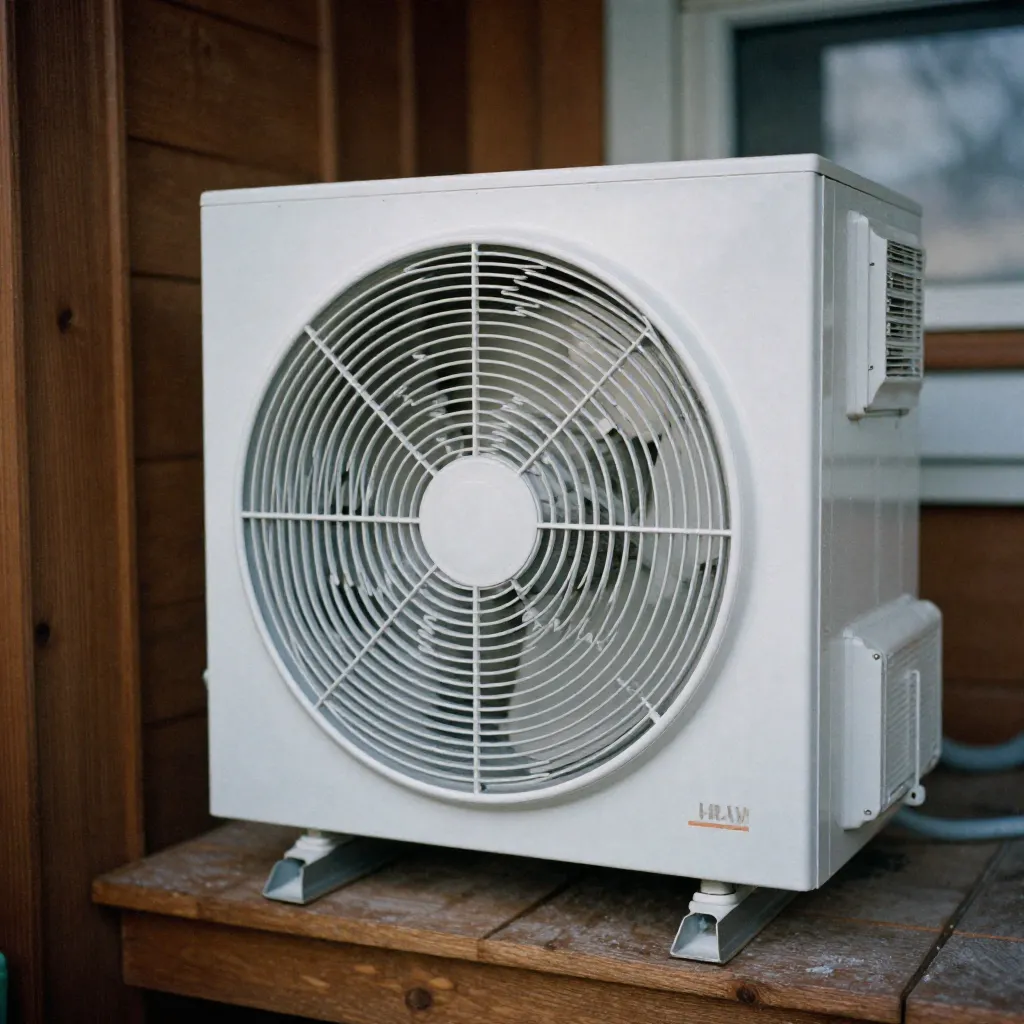
How to Ventilate During Winter Without Losing Heat
Ventilating in winter requires a strategic approach to minimize heat loss while ensuring fresh air circulation. The key is timing and duration.
During cold months, aim for short, intensive ventilation periods rather than leaving windows slightly open for extended periods. This method, known as "shock ventilation," allows you to quickly exchange air while preserving interior warmth.
- Close all interior doors before opening windows to create a controlled airflow path
- Turn off heating systems temporarily during ventilation to prevent energy waste
- Open windows completely for 5-10 minutes rather than leaving them ajar for hours
- Ventilate during the warmest part of the day when outdoor temperatures are highest
- Close windows immediately after ventilation and restore heating gradually
Micro-ventilation with Partial Window Openings
Micro-ventilation involves opening windows to their smallest setting, creating a minimal but continuous airflow. This technique is ideal for maintaining background ventilation without significant heat loss.
Modern windows often feature a micro-ventilation position that allows precise control. This position typically opens the window by just 5-10 millimeters, creating enough airflow for moisture removal while minimizing heat escape.
When to Use Micro-ventilation
- During mild winter days when temperature difference is minimal
- In rooms with high humidity such as kitchens and bathrooms
- Overnight in bedrooms for continuous fresh air supply
- When you're away from home for extended periods
Cross-ventilation Strategies for Apartments
Cross-ventilation creates a flow of air from one side of your home to the other, effectively removing stale air and bringing in fresh air. In apartments, this requires strategic window placement.
Even in single-aspect apartments, you can create effective cross-ventilation by using interior doors and windows strategically.
Opposing Windows Method
Open windows on opposite sides of your apartment simultaneously. This creates a direct airflow path that efficiently exchanges air in 3-5 minutes.
Staircase Method
For single-aspect apartments, open the front door and a window. The hallway or staircase acts as a natural air channel, creating effective cross-ventilation.
Room-by-Room Method
Ventilate rooms sequentially, closing each room's door after ventilation. This method works well when you can't open multiple windows simultaneously.
Night vs. Day Airing Schedules
Understanding when to ventilate can significantly impact both air quality and energy efficiency. Different times of day offer different advantages.
Daytime Ventilation
Ventilate during daylight hours, preferably between 10 AM and 3 PM when outdoor temperatures are typically highest. This reduces the temperature difference between indoor and outdoor air, minimizing heat loss.
- Best for intensive air exchange
- Lower relative humidity outdoors during midday
- Natural light helps identify areas needing attention
Nighttime Ventilation
Night ventilation can be beneficial in bedrooms for sleep quality, but requires careful management. Use micro-ventilation settings and ensure windows are secure.
- Use only in bedrooms with micro-ventilation setting
- Close windows before sleeping to prevent excessive heat loss
- Consider room temperature before opening windows at night
How Long Should a Finnish Home Be Aired in -5°C, -10°C, etc.
Ventilation duration should adapt to outdoor temperature. Colder temperatures require shorter, more frequent ventilation periods to prevent excessive heat loss.
Remember: These are guidelines. Adjust based on your home's size, insulation quality, and current indoor air quality needs.
Ideal Airflow Patterns
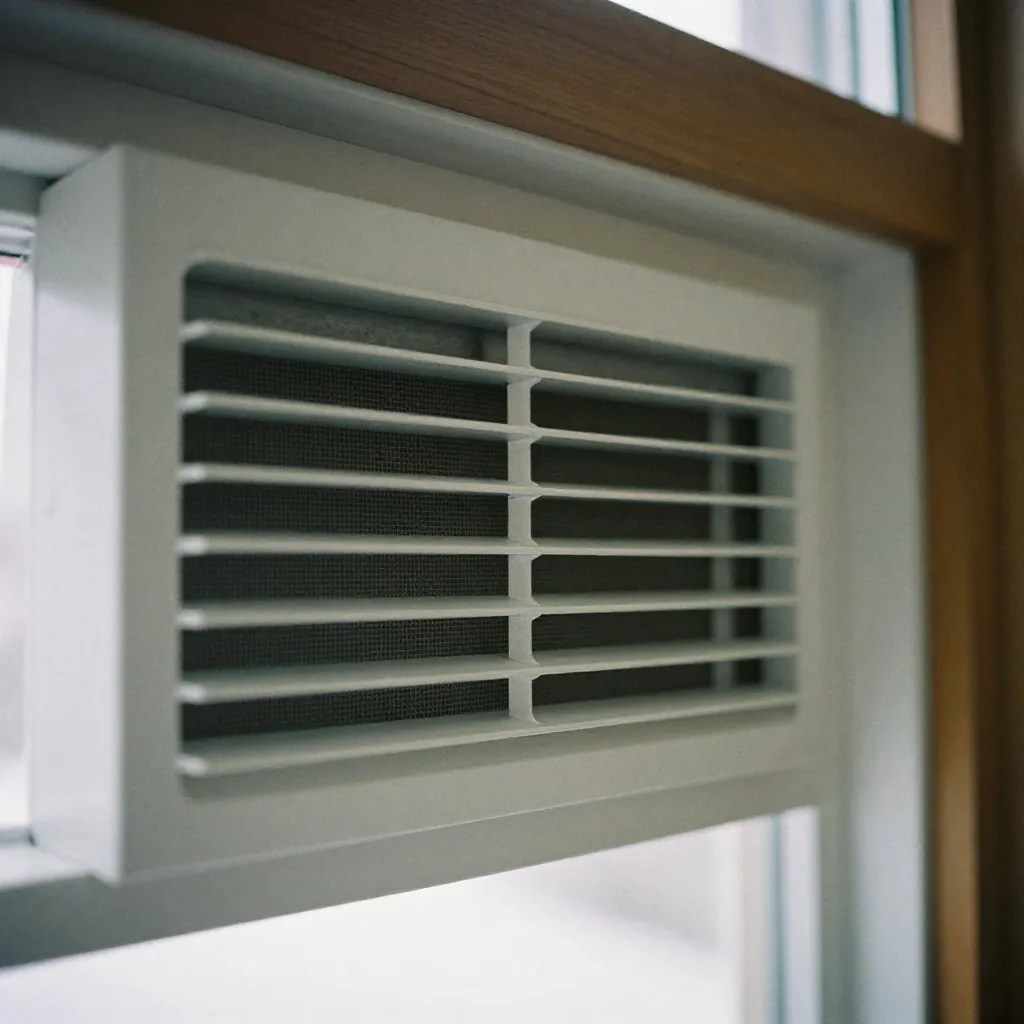
Understanding airflow patterns helps optimize ventilation efficiency. The diagram below shows ideal airflow through a typical floor plan.
Key Principles
- Air enters through windows on the windward side
- Air exits through windows or vents on the leeward side
- Interior doors should remain open during ventilation
- Kitchen and bathroom vents enhance natural airflow
- Stairwells act as natural air channels in multi-story homes
Winter Ventilation Do & Don't Checklist
Do's
- Ventilate during the warmest part of the day
- Use shock ventilation for quick air exchange
- Close interior doors to control airflow paths
- Ventilate multiple times per day in short bursts
- Monitor indoor humidity levels regularly
Don'ts
- Don't leave windows open for hours in freezing weather
- Don't ventilate when heating systems are running at full capacity
- Don't ignore condensation on windows - it signals poor ventilation
- Don't block air vents or ventilation channels
- Don't ventilate during heavy rain or snow