Window & Air Channel Optimization
Maximize your home's natural ventilation potential. Learn proper techniques for window management and air channel maintenance.
Choosing Right Window Opening Angles
The angle at which you open your windows significantly impacts ventilation efficiency and heat loss. Different angles serve different purposes depending on your goals.
Micro-Ventilation (5-10°)
Ideal for continuous background ventilation. Minimizes heat loss while allowing moisture to escape. Best for overnight use or when away from home.
- Minimal heat loss
- Continuous air exchange
- Safe for extended periods
Partial Opening (45°)
Balanced approach for moderate ventilation needs. Provides good airflow without excessive heat loss. Suitable for daytime use in mild weather.
- Moderate air exchange
- Controlled heat loss
- Good for 10-15 minute sessions
Full Opening (90°)
Maximum ventilation for quick air exchange. Use for shock ventilation when you need to refresh air quickly. Close immediately after ventilation.
- Fastest air exchange
- Maximum heat loss
- Best for 3-5 minute sessions
Tilt vs. Turn Windows
Modern windows often feature both tilt and turn functions:
- Tilt Position: Top of window opens inward, creating an opening at the top. Excellent for micro-ventilation and safe for extended use.
- Turn Position: Entire window opens inward or outward. Provides maximum opening area for intensive ventilation.
- Combination: Use tilt for background ventilation, turn for intensive air exchange.
Cleaning and Maintaining Air Vents
Air vents and ventilation channels are crucial for maintaining proper airflow. Regular maintenance ensures they function effectively and don't become blocked.
Inspect Regularly
Check vents monthly for blockages, dust, or damage. Look for visible obstructions or reduced airflow.
Clean Thoroughly
Remove dust and debris using a vacuum cleaner with a brush attachment. Clean both interior and exterior vent covers.
Remove Covers
Take off vent covers to access the channel. Clean inside the channel carefully, being mindful of any mechanical components.
Sanitize
Use a mild cleaning solution to remove mold or bacteria. Allow to dry completely before replacing covers.
Maintenance Schedule
- Monthly: Visual inspection and surface cleaning of vent covers
- Quarterly: Deep cleaning of vent channels and removal of covers
- Annually: Professional inspection if you have mechanical ventilation systems
- As Needed: Immediate cleaning if you notice reduced airflow or unusual odors
How to Check if Ventilation is Blocked
Blocked ventilation can lead to poor air quality, increased humidity, and potential health issues. Regular checks help identify problems before they become serious.
Visual Inspection
- Check vent covers for visible blockages like dust, debris, or insect nests
- Look for signs of moisture or mold around vents
- Inspect exterior vents for obstructions like leaves, snow, or animal nests
- Check if vent covers are properly installed and not damaged
Airflow Tests
- Hold a thin piece of paper or tissue near the vent - it should move if air is flowing
- Use a smoke stick or incense to visualize airflow direction and strength
- Compare airflow between different vents - significant differences may indicate blockages
- Check if air feels stale or humid in rooms with vents
Warning Signs
- Persistent condensation on windows despite ventilation efforts
- Musty or stale odors that don't improve with ventilation
- Uneven temperatures between rooms
- Increased allergy symptoms or respiratory issues
- Visible mold growth near vents or in corners
Safe Ways to Ventilate When It's Extremely Cold (-20°C)
Ventilating in extremely cold weather requires special care to prevent damage to your home and excessive heat loss. Follow these strategies for safe ventilation in sub-zero temperatures.
Ultra-Short Ventilation
When temperatures drop below -15°C, ventilation should be extremely brief - no more than 2-3 minutes. Open windows completely for maximum efficiency, then close immediately.
- Pre-warm the room slightly before ventilation to minimize temperature shock
- Close all interior doors to contain the cold air to one area
- Ventilate only the most necessary rooms, not the entire home
- Restore heating immediately after closing windows
Micro-Ventilation Only
Below -20°C, use only micro-ventilation settings. Avoid full window openings as the extreme temperature difference can cause damage to window frames and interior surfaces.
- Use tilt position on windows if available
- Open multiple windows slightly rather than one fully
- Extend micro-ventilation time to 15-20 minutes for adequate air exchange
- Monitor indoor temperature - if it drops significantly, close windows
Protection Measures
- Cover nearby plants or sensitive items before ventilation
- Move furniture away from windows during ventilation
- Check for ice buildup on window frames after ventilation
- Ensure heating systems can quickly restore temperature
- Consider ventilating during the warmest part of the day, even if still very cold
Important: In extreme cold, prioritize air quality over perfect ventilation. Short, frequent micro-ventilation sessions are safer than longer intensive ventilation.
Natural Draft vs Mechanical Systems: Comparison
Understanding the differences between natural and mechanical ventilation helps you choose the best approach for your home and climate.
Natural Draft Ventilation
Relies on temperature differences, wind pressure, and gravity to move air. No mechanical components required.
- Advantages: No energy consumption, low maintenance, quiet operation, works during power outages
- Disadvantages: Less control, dependent on weather conditions, may be insufficient in very airtight homes
- Best For: Well-designed homes with good window placement, moderate climates, energy-conscious homeowners
- Cost: Minimal - only requires proper window usage and occasional vent cleaning
Mechanical Ventilation Systems
Uses fans and ducts to actively move air. Includes exhaust fans, whole-house ventilation, and heat recovery systems.
- Advantages: Consistent airflow, works in any weather, can include heat recovery, better for very airtight homes
- Disadvantages: Energy consumption, requires maintenance, initial installation cost, noise from fans
- Best For: Very airtight modern homes, areas with poor natural airflow, homes with specific air quality requirements
- Cost: Higher initial investment and ongoing energy costs
Hybrid Approach
Many homes benefit from combining both methods. Use natural ventilation when conditions are favorable, mechanical systems when needed.
- Use natural ventilation during mild weather and daytime hours
- Rely on mechanical systems during extreme weather or when natural ventilation is insufficient
- Mechanical exhaust fans in bathrooms and kitchens complement natural ventilation
- Heat recovery ventilation systems can work alongside natural ventilation strategies
Before / After Proper Ventilation Maintenance
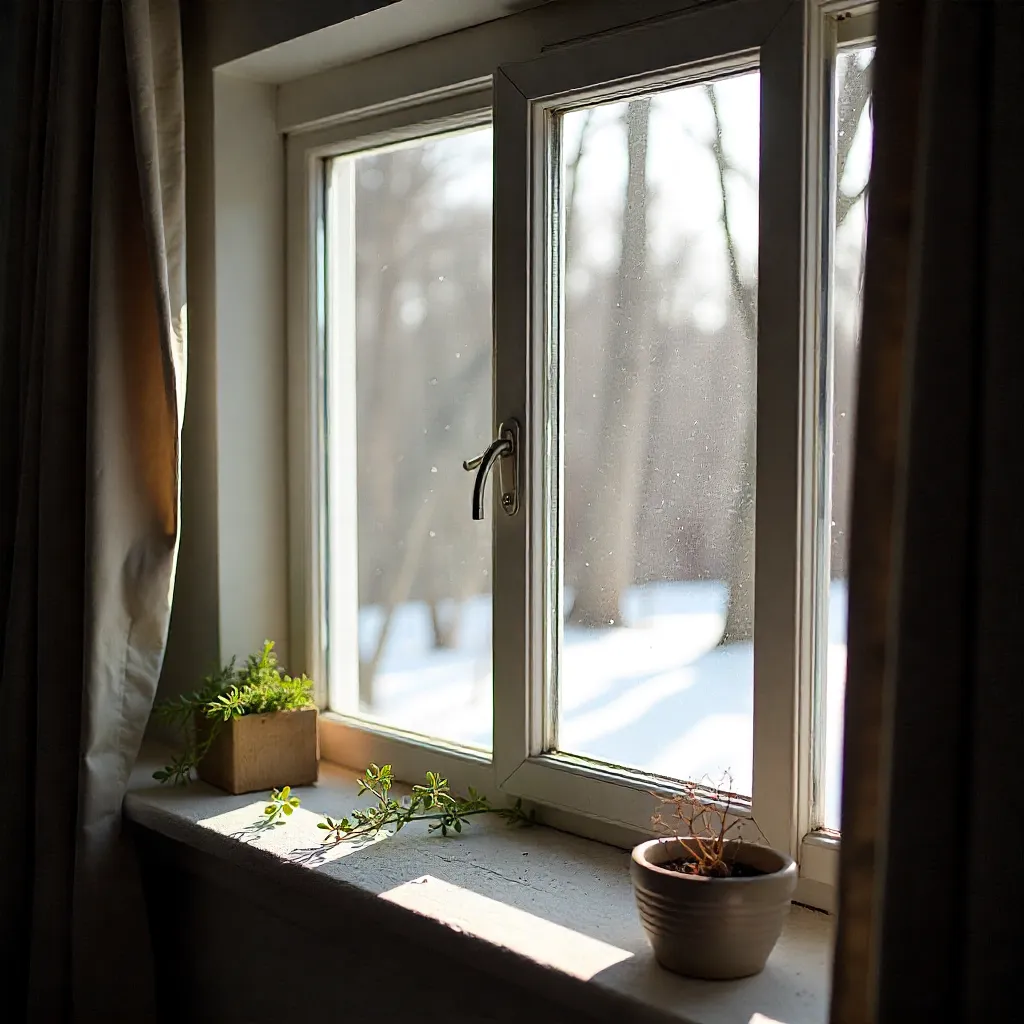
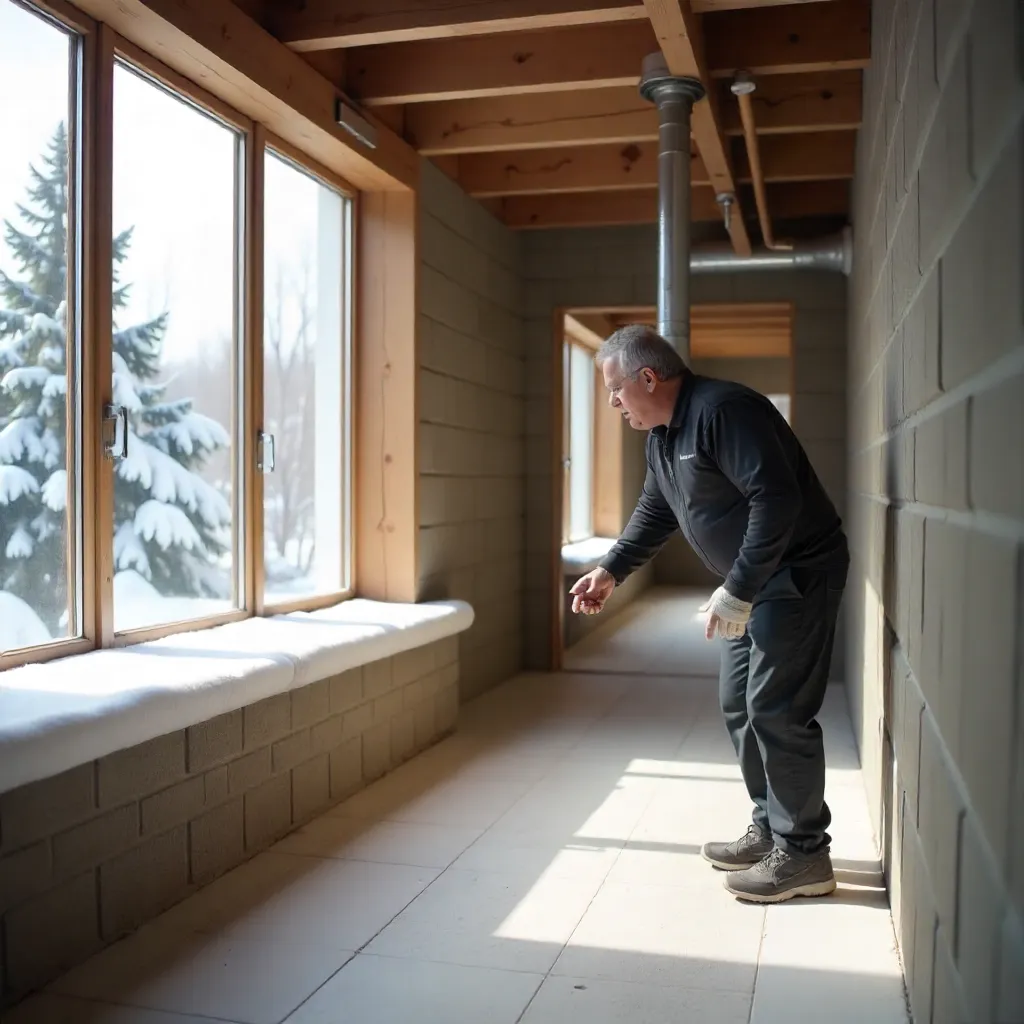
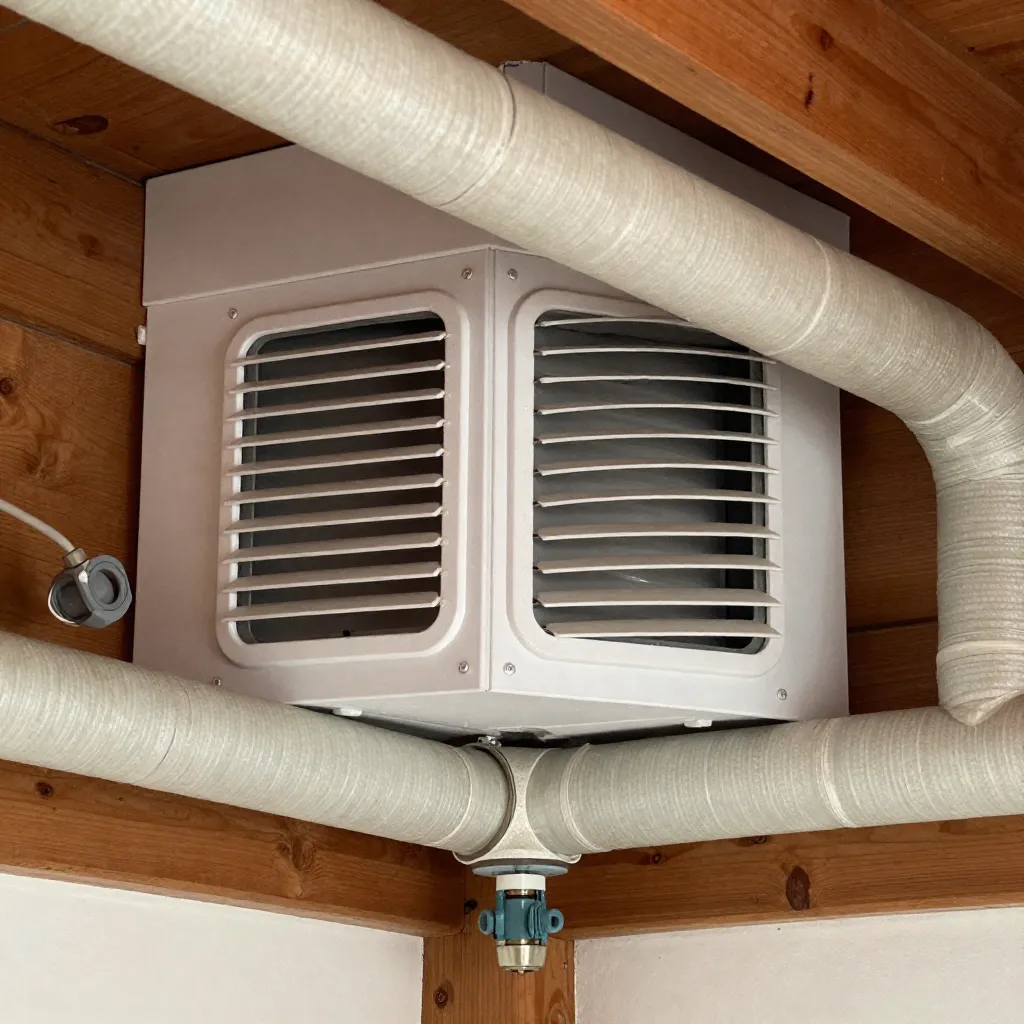
See the difference proper ventilation maintenance makes. The slider below shows a home before and after implementing correct ventilation practices.
Key Improvements
- Clean, unobstructed air vents allow proper airflow
- Reduced condensation on windows indicates balanced humidity
- Improved air quality with no stale odors
- Better temperature distribution throughout the home
- Lower risk of mold and moisture-related issues
Vent Cleaning Mini-Instructions
Step 1: Turn Off Systems
If you have mechanical ventilation, turn off the system before cleaning to ensure safety.
Step 2: Remove Cover
Carefully remove the vent cover using a screwdriver if needed. Keep screws in a safe place.
Step 3: Vacuum Interior
Use a vacuum with a brush attachment to remove dust and debris from the vent channel.
Step 4: Clean Cover
Wash the vent cover with warm soapy water. Allow it to dry completely before reinstalling.
Step 5: Inspect & Replace
Check for any damage or blockages. Replace the cover securely and test airflow.
Step 6: Schedule Next Clean
Mark your calendar for the next maintenance session. Regular cleaning prevents problems.